
About
The people you talk to are the people who build it.
Lorryn is a small automation and engineering company in Northern California, working with teams across the U.S. Three founders: one runs operations, one engineering, and one marketing and finance.
Our team has worked atPG&EFreepikAmadeus
Talk to the Founders- COO
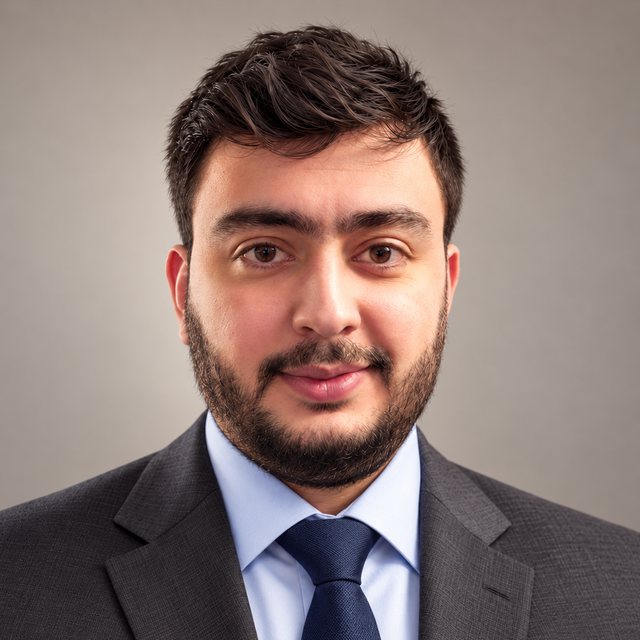
Fred Alakbarov
Co-founder & Chief Operating Officer
Leads client engagements, process audits and how Lorryn itself operates.
- CTO
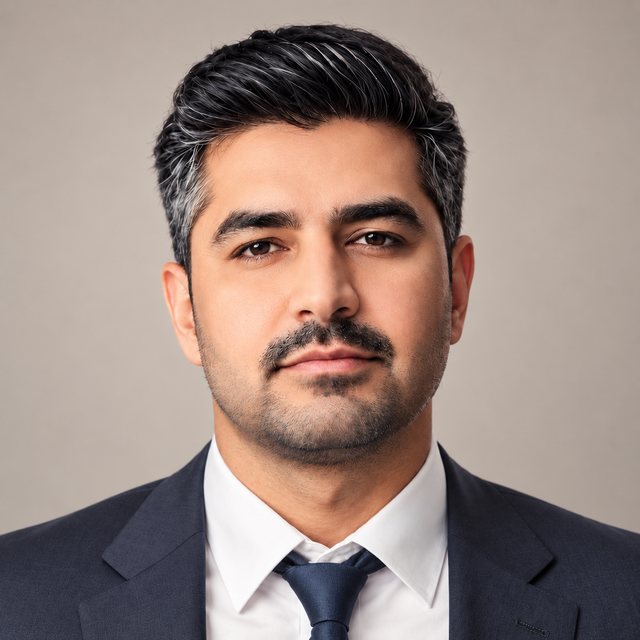
Balash Mirzabey
Co-founder & Chief Technology Officer
Owns architecture, engineering and the reliability of everything we deploy.
- CMO

Julia Ja
Co-founder & Chief Marketing Officer
Leads marketing and growth, and owns pricing, contracts and Lorryn's finances.
How Lorryn runs
Three founders. A pod of agents. The same systems we build for you.
Most of Lorryn's day-to-day operations run on agents and automated workflows: intake, scheduling, research, testing, monitoring, invoicing. Each pod has a founder who owns it and approves what matters. It's how we keep a small team fast, and it's what we help clients build.
- agents running Lorryn's day-to-day operations
- 18agents running Lorryn's day-to-day operations
- agent pods, each owned by a founder
- 6agent pods, each owned by a founder
- of client decisions made by a person
- 100%of client decisions made by a person
Who owns what
Fred Alakbarov
2 pods
Pod 01
Intake & scheduling
- Website intake agent
- Estimate tool
- Scheduling agent
A founder takes every call
Pod 02
Process audit
- Process mapping
- Opportunity scoring
- Report drafting
Every audit report is founder-reviewed
Balash Mirzabey
2 pods
Pod 03
Build & QA
- Workflow builder
- Integration agent
- Test runner
Balash approves every release
Pod 04
Monitoring
- Run monitor
- Incident triage
- Impact reporting
Alerts escalate to an engineer

Julia Ja
2 pods
Pod 05
Marketing
- Content drafting
- Lead research
- Campaign reporting
Julia approves everything published
Pod 06
Finance & admin
- Invoicing agent
- Payment reminders
- Bookkeeping sync
Julia approves invoices and payments
What guides the work
Principles
- 01
Business problem first
We start with the work, not the technology. If a process doesn't need automating, we'll say so.
- 02
Human judgment stays human
Software takes the repetitive steps. Decisions that need context, accountability, or care stay with your people.
- 03
Use AI only where it adds value
Language models are useful for reading and interpreting. For everything else, simpler and more predictable tools usually work better.
- 04
Measure before and after
We capture a baseline before building, so improvement is something you can see rather than something you're told.
- 05
Build for reliability
Logging, error handling, alerts, and documentation are part of the build—not extras added later.
How we operate
A focused engineering practice
Close to the work
The people who study your process are the people who engineer the automation. Nothing gets lost between a sales conversation and the build.
Systems you can own
We document what we build and favor architectures your team can understand, maintain, or hand to another engineer.
Honest about fit
Some processes are better left manual, simplified, or handled by a feature your software already has. Telling you that is part of the job.
What we don't do
- Resell a platform and fit your process to it
- Automate decisions that should belong to a person
- Build something because it's technically interesting
- Measure success by the number of workflows running
What is your team still doing manually?
Show us how the work gets done today. We'll identify the repetitive processes most worth investigating for automation.
A free 15- or 30-minute call with the people who build it. No platform commitment. No obligation to build.